How to Improve Textured Skin, According to Doctors. Flawlessly smooth skin is a dream, but often unrealistic.
The way your skin looks and feels can change daily. Many things can make skin feel and look textured, says Dr. Jennifer Baron.
This includes lines, peeling, bumps from acne, sun damage, enlarged pores, dullness, and inflammation.
What Is Textured Skin? While all skin has texture, textured skin is rough, bumpy, or dry, with uneven patches.
It is not limited to one skin type. Those with oily skin might get more bumps, while dry skin can be rough and flaky.
Combination skin can have both. Tip: Certain skin conditions like eczema and psoriasis can also lead to textured skin.
Changing weather or hormones can worsen symptoms.
Causes of Textured Skin. Dr. Linda N. Lee breaks down the causes into four categories: genetic, environmental, hormonal, and age-related.
Genetics: Genetic factors include enlarged pores, dry or oily skin, and conditions like eczema.
Environmental: Sun damage is a major cause of thickened skin. Smoking and pollution also contribute.
Hormonal: Hormonal changes, like those during puberty, pregnancy, and menopause, can affect skin. This can lead to acne, dryness, melasma, and thinning skin.
Age: As you age, skin turnover slows. Fine lines and dullness result.
Everyone experiences collagen breakdown, leading to coarser skin and wrinkles. Other factors like acne scars and bad skincare habits also play a role.
These create an uneven surface. Identifying the underlying cause is crucial, says Dr. Kautilya Shaurya, and seeking appropriate treatments is necessary.
How to Treat Textured Skin at Home. You can start addressing textured skin at home with over-the-counter or prescription treatments.
Experts recommend:
Topical Retinoids. The single best at-home treatment is a vitamin A derivative, says Dr. Lee.
This helps reduce collagen breakdown and fine lines. There are different strengths of topical retinol.
Start with a low dose and increase slowly. It is like exercise: do it regularly at a tolerable level, she explains.
Working with a skincare professional is recommended.
Chemical Exfoliating Acids. Chemical exfoliants increase cell turnover, says Dr. Connie Yang.
This reveals smoother skin over time. Look for products with alpha hydroxy acids (AHAs), like glycolic or lactic acid.
Antioxidants and Hydrators. Antioxidants improve cell health and protect against sun damage, while hydrators soothe and plump.
This duo fights textured skin. Dullness and peeling can be brightened with antioxidants, like vitamin C, and hydrators like hyaluronic acid, according to Dr. Baron.
Some inflammatory skin diseases can also improve with potent antioxidants such as green tea and hyaluronic acid, says Dr. Baron.
In-Office Treatments for Textured Skin. When home treatments are not enough, in-office treatments can help.
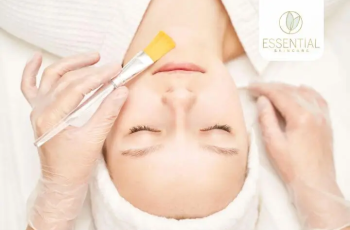
Chemical Peels. Depending on the cause, chemical peels can boost your at-home routine.
They exfoliate and improve texture using acids.
Microneedling. Microneedling promotes collagen and thickens skin.
Needles create tiny wounds to trigger collagen production. Another option is microneedling with platelet-rich plasma (PRP).
It uses your own plasma to stimulate collagen and healing. Microneedling with PRP is often very helpful in smoothing irregularities, says Dr. Lee.
Facelifts and Eyelid Surgery. For those with skin laxity, facelifts and eyelid surgery can remove excess skin, says Dr. Lee.
Fillers and Injectibles. Fillers can plump skin and restore volume.
Biostimulating injectables like Sculptra stimulate collagen.
Skin-Care Routines for Textured Skin. An effective routine promotes renewal, hydration, and reduces unevenness.
Dr. Shaurya recommends separate morning and evening routines.
Morning Routine for Textured Skin. 1. Cleanser: Start with a gentle cleanser.
2. Toner: Apply a hydrating, alcohol-free toner.
3. Serum: Use a serum with vitamin C, hyaluronic acid, or niacinamide.
4. Moisturizer: Use a lightweight moisturizer.
5. Sunscreen: Apply broad-spectrum sunscreen with at least SPF 30.
Evening Routine for Textured Skin. 1. Cleanser: Cleanse to remove makeup and grime.
2. Exfoliation: Use an exfoliant 2-3 times a week.
3. Toner: Apply toner.
4. Serum: Use the same serum, or one for nighttime repair.
5. Moisturizer: Use a thicker moisturizer.
6. Optional Treatments: Consider facial oils or masks.