Coenzyme Q10, or CoQ10, is a popular ingredient in skincare. It is found in everything from cleansers to sunscreens.
Why is it so popular? CoQ10 has anti-inflammatory, antioxidant, and mild skin-lightening effects.
It also boosts energy production inside skin cells. This article will explain what CoQ10 is and how it works.
It also covers who should use it and why it might become your favorite ingredient.
What Is CoQ10? CoQ10 is a naturally occurring compound.
It is found in the mitochondria of nearly all living cells. It is essential for producing ATP, the main energy molecule your body uses.
Unlike many antioxidants, CoQ10 is fat-soluble. It is produced naturally by the body.
This makes it a unique antioxidant, unlike vitamins C or E. Peter Mitchell won the Nobel Prize in Chemistry in 1978.
He first described CoQ10 role in cellular energy production.
How Does CoQ10 Benefit Your Skin? CoQ10 main benefits come from its antioxidant and anti-inflammatory properties.
It also helps with cellular energy production. Antioxidant Effects: CoQ10 neutralizes free radicals caused by UV rays and pollution.
This prevents premature skin aging and damage. Anti-Inflammatory: It calms skin inflammation, reducing redness and irritation.
This is helpful for conditions like psoriasis. Supports Energy Production: By boosting ATP synthesis, CoQ10 helps skin cells function better.
It also helps them repair damage faster. Mild Tyrosinase Inhibition: This slows melanin production.
This helps reduce dark spots and hyperpigmentation. Why Is CoQ10 Important for Skin Aging?
As we age, CoQ10 levels in our skin decline. This reduces our skin cells ability to generate energy.
It also reduces their ability to protect against oxidative stress. This decline contributes to wrinkles and dullness.
It also causes loss of firmness. Topical CoQ10 replenishes these levels.
This promotes collagen production and prevents collagen breakdown. CoQ10 inhibits enzymes that degrade collagen.
This helps maintain skin strength and elasticity. Who Should Use CoQ10?
CoQ10 is suitable for almost every skin type. It is especially useful for people concerned with fine lines and wrinkles.
It is also useful for sun-damaged skin. It can help with uneven skin tone and hyperpigmentation.
Sensitive or inflamed skin can benefit from it. Dry or dull skin needing repair can also benefit.
Because it is a natural compound, it rarely causes irritation or allergic reactions. How Does CoQ10 Work in Skin Care Products?
CoQ10 on its own only penetrates the upper skin layers. This is due to its molecular size.
For deeper delivery, it is usually formulated in oil-based products. When combined with oils, CoQ10 dissolves well.
It can penetrate more effectively, delivering its benefits deeper into the skin. Common Products Containing CoQ10.
You will find CoQ10 in various forms. Serums are one example.
Toners are another, prepping and energizing skin. Moisturizers and oils are also common.
Sunscreens often contain CoQ10. This protects against UVA-induced collagen breakdown.
How Does CoQ10 Affect Wrinkles and Collagen? CoQ10 helps skin make more collagen.
It fuels energy production in skin cells. This is essential for collagen synthesis.
It also protects existing collagen. It inhibits collagenase enzymes that break it down.
More collagen means firmer, smoother skin. It also reduces wrinkles.
While retinoids and vitamin C have stronger evidence, CoQ10 offers a gentler alternative. It can be used as complementary support in anti-aging routines.
Can CoQ10 Help with Hyperpigmentation? CoQ10 tyrosinase inhibiting ability can reduce melanin production.
It can lighten dark spots. This includes melasma and post-inflammatory hyperpigmentation.
Its effects are milder than stronger lightening agents. It is a valuable addition when combined with other ingredients.
This is especially true in oil-based formulas. Some natural oils help CoQ10 penetrate.
They also have tyrosinase inhibition. These include almond, argan, and grapeseed oils.
Is CoQ10 Good for Sun-Damaged Skin? Yes!
CoQ10 antioxidant and anti-inflammatory properties help repair damage. This is damage caused by UV radiation.
It also supports vitamin E function. Vitamin E is a powerful antioxidant that protects against photoaging.
By protecting skin cells, CoQ10 can be effective in anti-photoaging regimens. What About Dry or Sensitive Skin?
CoQ10 does not directly hydrate the skin. But its anti-inflammatory properties reduce skin barrier damage.
This indirectly helps prevent dryness. For dry skin, CoQ10 products are often formulated with hydrating oils.
These include jojoba, marula, and rosehip oil. These boost moisture levels.
Sensitive or inflamed skin types may benefit from CoQ10 calming effects. It can be a gentle and effective ingredient.
Side Effects and Safety of CoQ10. Topical CoQ10 is considered very safe.
It has a low risk of irritation or allergy. This is because it is a natural compound already present in the body.
Oral CoQ10 supplements may cause mild side effects. These include jitteriness or nausea.
These are rare and usually mild. Always consult your doctor before starting oral supplements.
This is especially true if you take other medications. The Environmental Working Group (EWG) rates CoQ10 as a 1 (low hazard).
This confirms its safety in skin care. Tips for Using CoQ10 in Your Routine.
Use CoQ10 in oil-based or serum products. This will provide better skin penetration.
Pair it with hydrating ingredients like hyaluronic acid. You can also use nourishing oils.
Apply in the morning to boost skin antioxidant defenses. You can also apply it at night to aid repair.
Always use sunscreen during the day. This protects from UV damage.
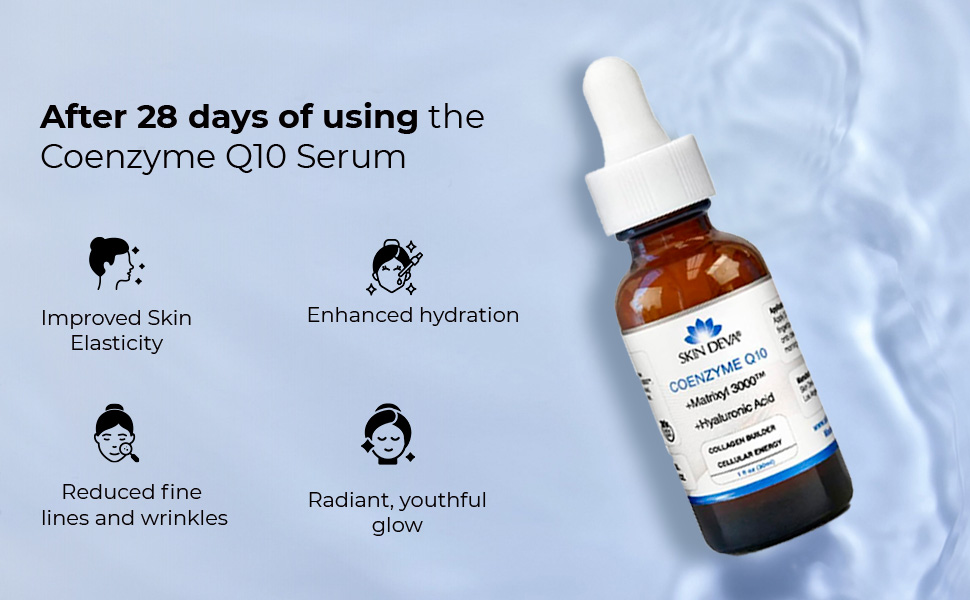
Be consistent, visible improvements typically appear after weeks of regular use. Summary: Why Include CoQ10 in Your Skincare?
CoQ10 is a versatile, well-tolerated, and scientifically supported ingredient. It offers multiple skin benefits.
It protects against oxidative damage. It supports skin energy metabolism.
It helps prevent wrinkles and evens skin tone. If you want a gentle addition, CoQ10 is worth considering.
Check your skin type and product formulations to find the perfect CoQ10 product.